strength power speed agility
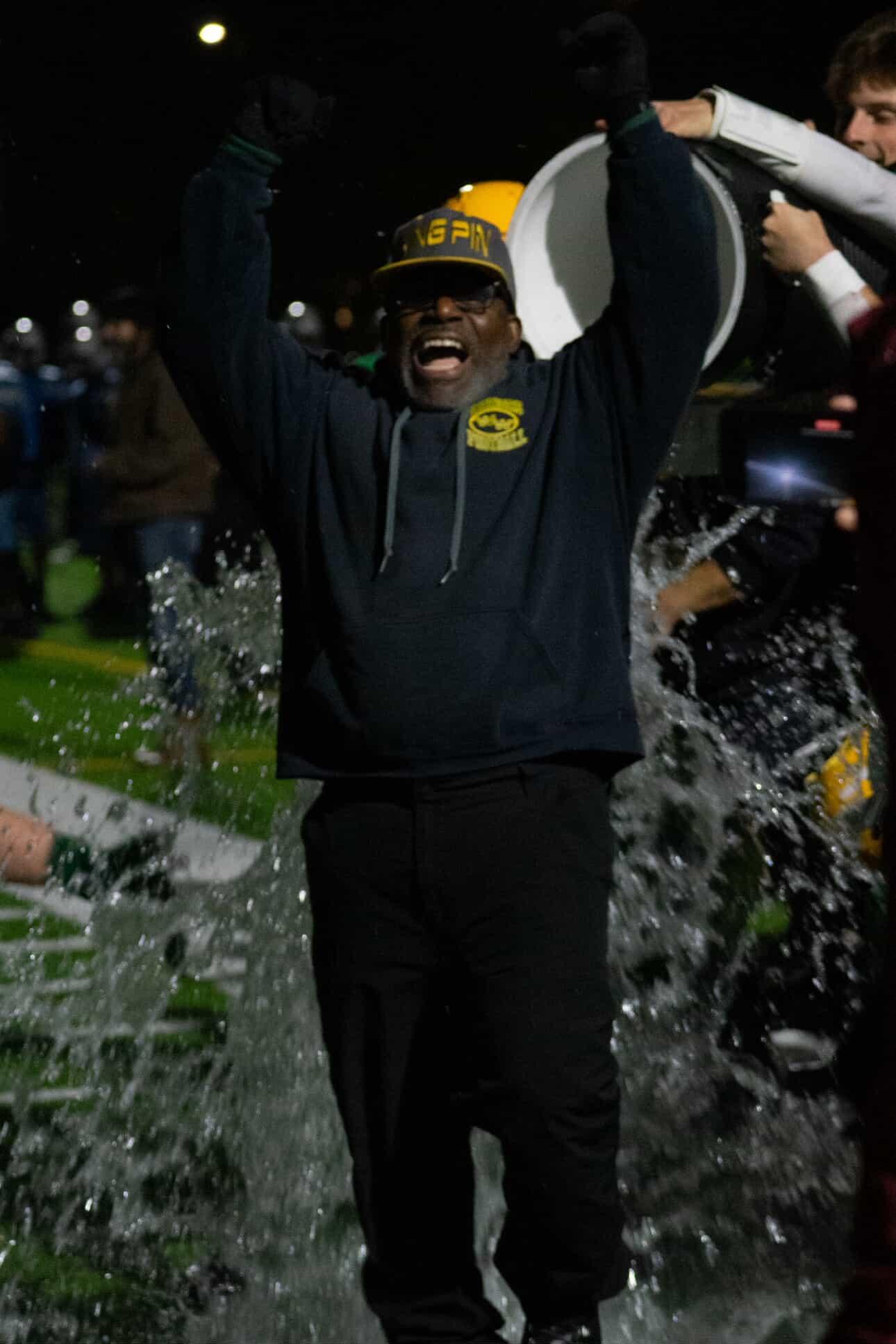
Hi, I’m Coach Mike King
With a detailed analysis of your athletic profile and baseline testing we will identify areas for improvement, correct inefficiencies then get you on a structured plan to perform at a high level.
WE PROVIDE THE STRUCTURE, YOU BRING THE DISCIPLINE, YOU GET RESULTS
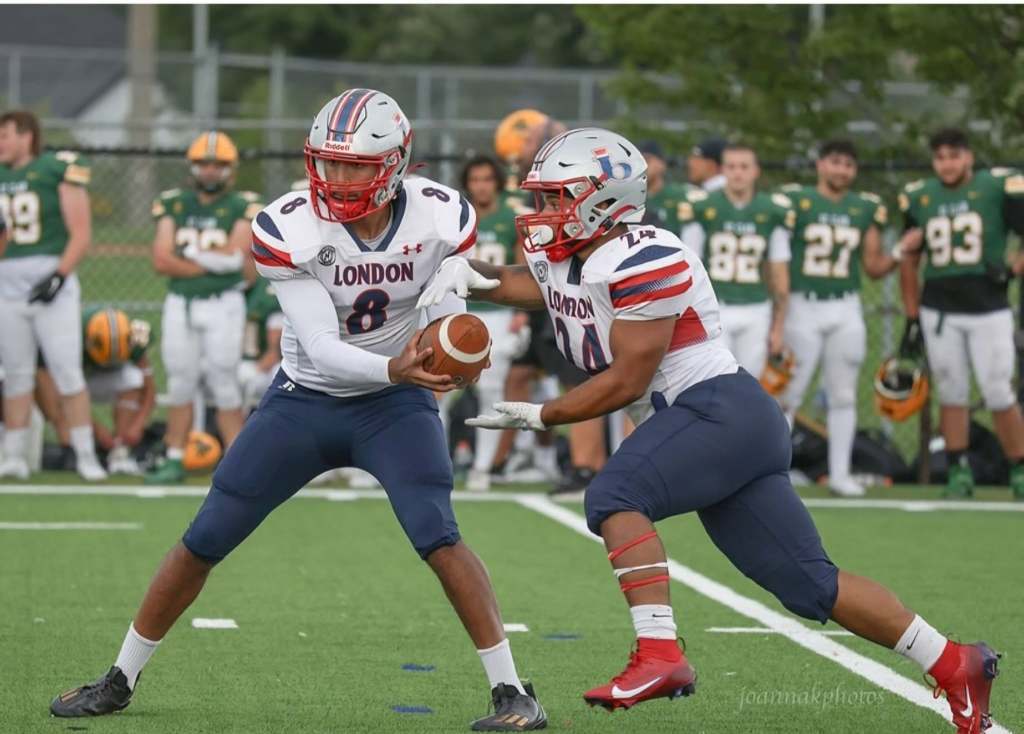
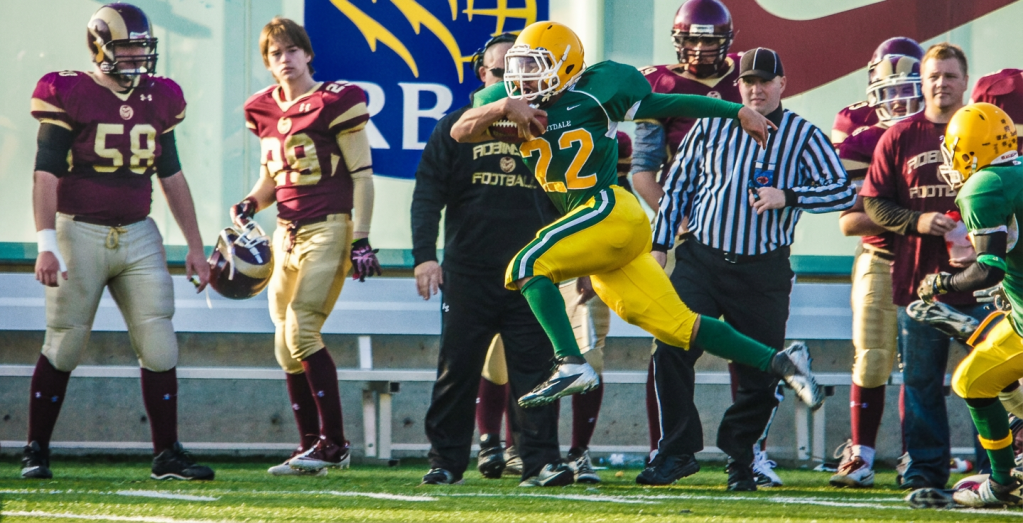
REGISTER FOR KAD RB and Offensive Skills Positions Pre-Season Football Camp.
Come to High School or your first U-Sports Training Camp Ready!
– Game Speed and Agility
– Position Specific Drills
– Conditioning
Dates: July 15th through August 7th.
Time: Mondays and Fridays 5:30-6:30pm 2 sessions per week
Location: Westdale SS
Cost: $160
Registration: Contact coachmaking@gmail.com dm:@coachmking for more details
Featured Drill: High knee, butt kick run
Jesse is performing a high knee, butt kick run. This is a top speed drill which isolates the front side and backside phases of top speed and translates to the specific movement patterns of sprinting at a high velocity
Subscribe to receive updates, articles and speed camp dates
FAQs
How are the Speed Camp coaching sessions conducted?
Training sessions involve a combination of field training (hills, stairs, track), weight training, bodyweight plyometrics and agility work
What is small group training?
Small group training involves a small coach to athlete ratio of athletes with similar goal but varying stages of their athletic development. They will train together to maximize repetitions and encourage competition
What commitment is required?
Each training block should include a minimum of 2-4 sessions per week depending on the athletes in-season and off-season schedule
How much does the coaching cost?
Our coaching fees vary based on the program selected and its duration.
How do I start with the KAD performance coaching process?
To start with KAD
How do I know if the coaching is working?
First of all you’ll be able to compare measurable results over time in comparison to baseline testing. Secondly you will enjoy the training and pe proud of the commitment that you’ve made to take control of your personal athletic goals
Who can benefit from this coaching?
Any athlete seeking to improve performance, prepare for competition or just wanting to develop their overall athleticism. .
About Coach Mike
– Over 30 years coaching experience
– Trained OTA U Performance Coach
– Current Coaching Director for the Hamilton Football Association
– National Coaching Certification, Program Facilitator and Evaluator
– NCCP trained dojo assistant/instructor, Judo Shodan Black Belt
– Trained Life Coach, Coaches Training Institute